Mastering Historical Bindings
Introduction:
Understanding historical binding techniques is essential for any serious book restorer. Each period and culture had unique methods, and mastering these allows restorers to preserve authenticity while enhancing durability and aesthetics of old books.
Types of Historical Bindings:
Different eras produced distinctive styles of binding.
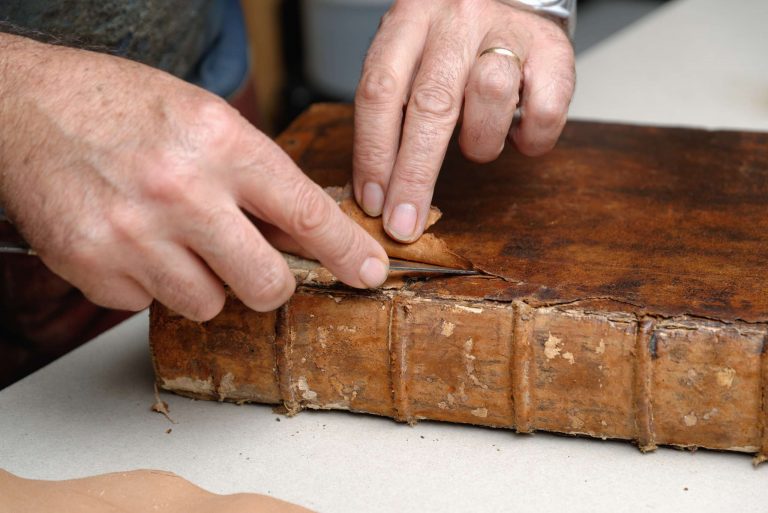
- Medieval Bindings: Often used wooden boards and leather, requiring careful material selection for restoration.
- Victorian Bindings: Decorative cloth and elaborate embossing require precise cleaning and repair techniques.
- Japanese Bindings: Unique thread patterns and paper folding demand delicate handling and attention to detail.
Techniques for Restoration:
Preserving original structure while repairing damage is key.
- Reinforcing spine without altering original form.
- Cleaning and conditioning leather or cloth covers to prevent deterioration.
- Reattaching or replacing pages while keeping historical accuracy intact.
Preserving Authenticity:
Authenticity ensures historical value remains intact.
- Document each step to track materials and methods used.
- Avoid modern shortcuts that may compromise historical integrity.
- Combine subtle modern supports only where necessary to maintain function.
Conclusion:
Mastering historical bindings enhances a restorer’s skill and respect for the book’s origin. Each carefully restored book tells a story of its past, offering a tangible link to cultural and literary history.